

Key Takeaways
- Washing hands with soap for at least 20 seconds removes pathogens that cause common infectious illnesses.
- Respiratory hygiene, including covering coughs and sneezes, limits airborne and droplet transmission significantly.
- Regularly cleaning high-touch surfaces reduces how long pathogens remain viable in shared spaces.
- Hygiene habits compound over time, reducing both personal illness burden and household healthcare costs.
- Evidence-based hygiene is accessible and low-cost, making it one of the most practical preventive tools available.
Why hygiene habits are a frontline prevention tool
Most infectious illnesses, including colds, flu, foodborne illness, and gastrointestinal infections, spread through routes that basic hygiene can interrupt. The CDC identifies contact transmission (direct or through contaminated surfaces) and respiratory droplets as the two most common pathways for everyday community-acquired infections. Practicing sound hygiene costs little and requires no prescription, which makes it one of the most accessible forms of preventive care available to families.
For context on why prevention matters financially and medically, see our article on preventive versus reactive care. Hygiene habits fit squarely within a preventive approach: they reduce the likelihood of illness arising rather than treating it once it does.
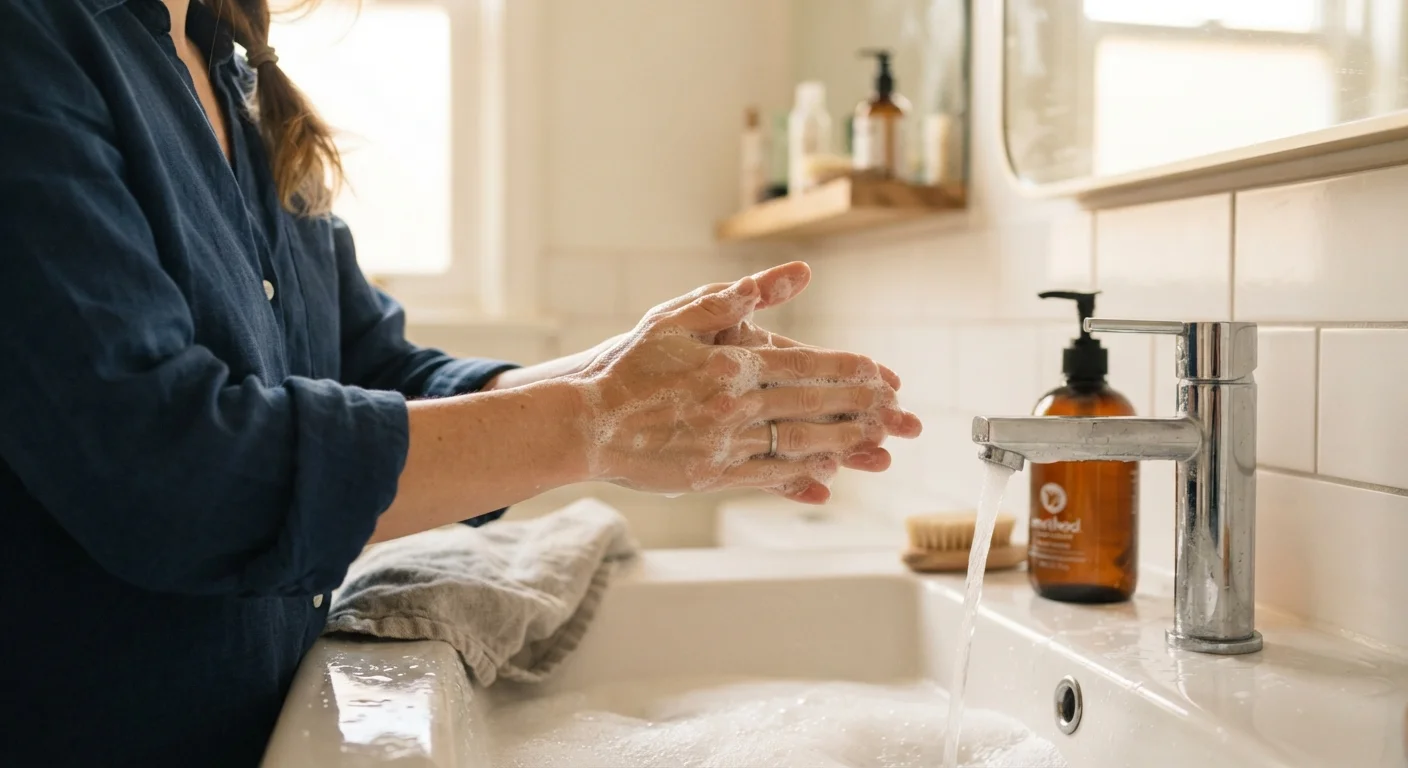
Wash hands with soap and water for a full 20 seconds at critical moments
The CDC and World Health Organization both identify hand hygiene as the single most effective way to prevent the spread of many infections. Soap physically disrupts the membranes of bacteria and lipid-enveloped viruses, while the 20-second duration allows enough mechanical friction to dislodge pathogens. Critical moments include before handling food, after using the bathroom, after coughing or blowing your nose, and after touching shared surfaces outside the home.
Cover coughs and sneezes with the inside of your elbow, not your hand
Respiratory droplets from an uncovered cough can travel several feet and deposit pathogens on surfaces and nearby people. Using the inner elbow instead of the palm contains droplets without contaminating the hand, which then touches door handles, phones, and food. The CDC recommends this technique as standard respiratory etiquette for all ages.
Disinfect high-touch surfaces regularly, especially during illness season
Viruses such as rhinovirus (the most common cause of colds) can survive on hard surfaces for several hours. Frequently touched objects, including light switches, faucet handles, remote controls, and shared phones, act as reservoirs between hand contacts. Regular cleaning with an EPA-registered disinfectant or a diluted bleach solution interrupts this surface-to-hand-to-mucous membrane pathway.
Avoid touching your eyes, nose, and mouth with unwashed hands
The mucous membranes of the eyes, nose, and mouth are primary entry points for respiratory and gastrointestinal pathogens. The average person touches their face dozens of times per hour without realizing it. Reducing this behavior, particularly after contact with shared objects, directly reduces pathogen entry even when surface contamination is present.
Handle and store food safely to prevent foodborne illness
The CDC estimates that roughly 48 million Americans experience foodborne illness each year, with most cases linked to improper food handling at home. Keeping raw meat separate from ready-to-eat foods, cooking to safe internal temperatures, and refrigerating perishables within two hours are the three behaviors most directly tied to reducing household foodborne illness risk.
The practices with the strongest evidence
Not every hygiene habit carries equal scientific weight. The following practices have consistent support from public health research and clinical guidelines, and each addresses a specific transmission pathway.
When hand sanitizer is an acceptable substitute
Alcohol-based hand sanitizers with at least 60% alcohol are effective against many common viruses and bacteria when soap and water are not available. However, they do not remove all types of germs, including Clostridioides difficile (C. diff) spores and norovirus particles effectively, and they do not remove physical dirt or grease. Soap and water is the preferred option after using the bathroom, handling raw food, or when hands are visibly soiled.
Pairing these habits with broader lifestyle factors makes them more effective. Our companion piece on vaccines, sleep, diet, and stress covers how immune function and hygiene work together.
Quick actions your household can start today
Sustained hygiene improvement usually starts with a few concrete changes rather than an overhaul. The actions below are low-cost and require no special equipment. Families with children, elderly members, or anyone with a chronic health condition should discuss specific hygiene needs with a qualified healthcare provider, since general guidance may not account for individual risk factors.
For a broader look at misconceptions that can undermine these habits, visit our article on common myths about preventive health. Additional family health tips are available across our hub for households looking to build on these basics.
This article is for general health information purposes only and is not a substitute for professional medical advice. Consult a qualified healthcare provider with questions about your health or your family's specific needs.